Timing Your Maintenance to Prevent Costly Breakdowns
You should schedule trailer service at least once a year, or sooner if you notice wear, noise, or braking issues. If you haul heavy loads, drive long distances, or travel often in hot or wet weather, you may need service every 6 months. Regular maintenance keeps your trailer safe, legal, and ready for the road.
Why Prevention Matters
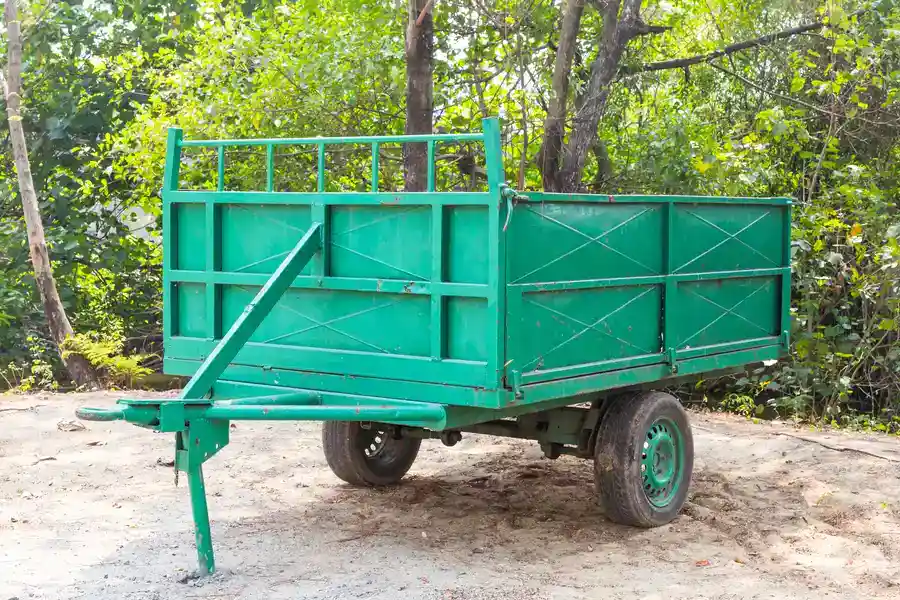
A trailer works hard every time you tow it. Tires carry heavy weight. Brakes handle sudden stops. Bearings spin at high speeds. Over time, small problems grow into major repairs. A loose wire can lead to no brake lights. Worn bearings can cause wheel lock-up. Skipping trailer service may also put you at risk for roadside fines or accidents.
Routine checks cost less than emergency repairs. They also help you avoid missed work or canceled trips.
Early Warning Signs
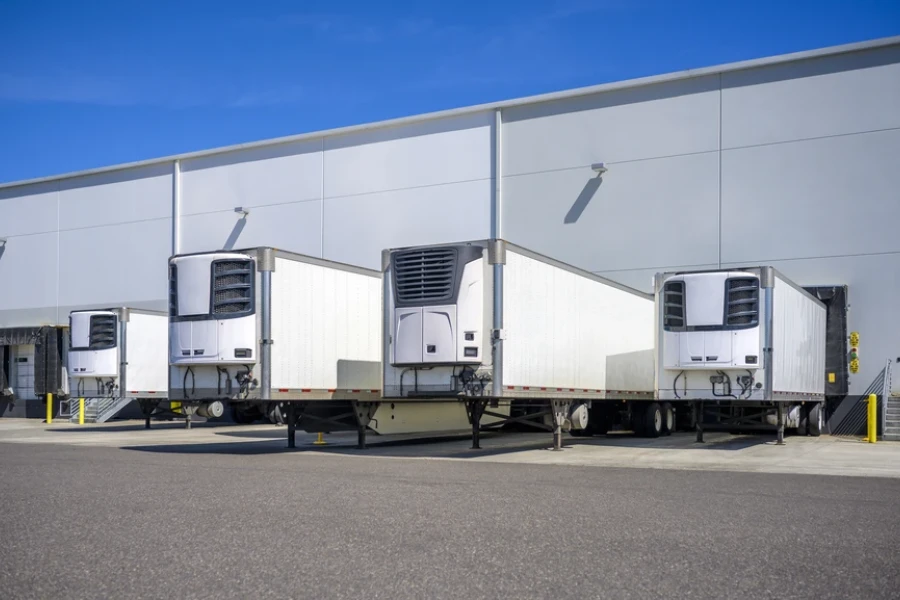
Your trailer often gives clues before something fails. Watch for these signs:
- Squeaking or grinding noises from the wheels
- Vibration while towing
- Uneven tire wear
- Brake lights not working
- Trailer pulling to one side
- Rust forming on the frame or hitch
If you notice any of these issues, do not delay trailer service. Waiting can turn a simple fix into a much bigger problem.
Seasonal or Routine Checklist
Set a schedule based on how often you use your trailer. Many owners plan maintenance at the start of towing season. Others service it before a long haul.
- Inspect tires for cracks, low tread, and proper air pressure.
- Check wheel bearings and apply fresh grease if needed.
- Test brake pads, rotors, and brake controllers.
- Inspect all lights and wiring connections.
- Examine the hitch, coupler, and safety chains.
- Look for rust or frame damage.
If you own a utility trailer, boat trailer, or enclosed cargo unit, your checklist may vary slightly. Light-duty models may need fewer brake inspections. Heavy equipment trailers often need more frequent brake and axle checks. Even small trailers benefit from regular attention.
Best Practices for Long-Term Results
Consistency is key. Keep a simple maintenance log in your glove box or phone. Write down the date of each trailer service and what was done. This helps you track patterns and spot repeat issues.
Store your trailer on level ground. Use wheel chocks to prevent rolling. Cover it when possible to reduce sun and rain damage. Clean road salt off the frame during winter months. Salt speeds up rust and weakens metal parts.
It also helps to check tire pressure before every trip. Tires lose air over time, even when not in use. Underinflated tires can overheat and fail on the highway.
What Not to Do
Some owners try to stretch the time between service visits. This often leads to unsafe towing. Avoid these common mistakes:
- Ignoring small brake noises
- Overloading past weight limits
- Mixing old and new tires on the same axle
- Skipping bearing lubrication
- Using damaged wiring with tape as a long-term fix
Quick patches may work for a short time, but they rarely solve the root problem. Safe towing depends on strong, working parts.
When to Schedule Professional Help
Plan professional trailer service once a year at minimum. Schedule sooner if you tow weekly, drive cross-country, or haul heavy loads. If you are unsure about brake performance or bearing condition, let a trained technician inspect it.
Professional service also helps before buying or selling a trailer. An inspection can reveal hidden wear and give peace of mind. If your trailer has electric brakes, suspension upgrades, or axle repairs, skilled work makes a difference.
Ready to Book Your Service
If your trailer is due for maintenance, our team is here to help. At Biggs Metal Fabrication, we handle complete trailer service for drivers throughout the area. We work with owners across Joshua Tree, CA to keep their trailers safe and road-ready. Call us at (760) 361-9557 to schedule an appointment and let us keep your equipment rolling smoothly.