Shaping Strong Metal Components for Real-World Industrial Use
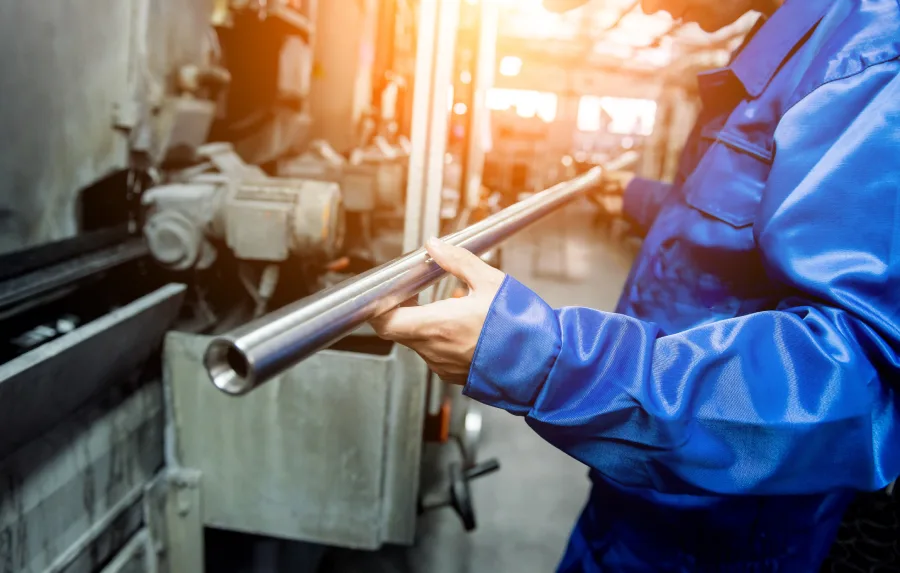
How tube bending supports industrial fabrication comes down to one key idea: it allows metal tubes to be shaped with strength and accuracy so they fit complex systems. In industrial settings, bent tubes carry fluids, protect wiring, form frames, and connect major components. Without precise bends, many machines and structures would not function as planned.
Quick Answer: Why It Matters
Tube bending plays a central role in industrial fabrication because it changes straight metal tubes into custom shapes without cutting or weakening them. This keeps the material strong while helping it fit tight spaces. Factories, plants, and construction teams rely on this process to build durable systems that last.
From handrails in large facilities to piping in processing plants, bent tubing supports safety, flow, and structure. A clean bend reduces the need for extra joints. Fewer joints mean fewer leak points and fewer failure risks.
What You Need Before Starting
Before starting a tube bending project, fabricators need clear plans and the right materials. Not all metal behaves the same way under pressure. Steel, aluminum, and stainless steel each bend differently.
- Correct tube size and wall thickness
- Proper bending equipment for the material
- Accurate measurements and layout drawings
- Knowledge of bend radius limits
Planning prevents cracks, flat spots, and weak bends. In industrial fabrication, even a small mistake can delay large projects.
Step-by-Step: How the Process Works
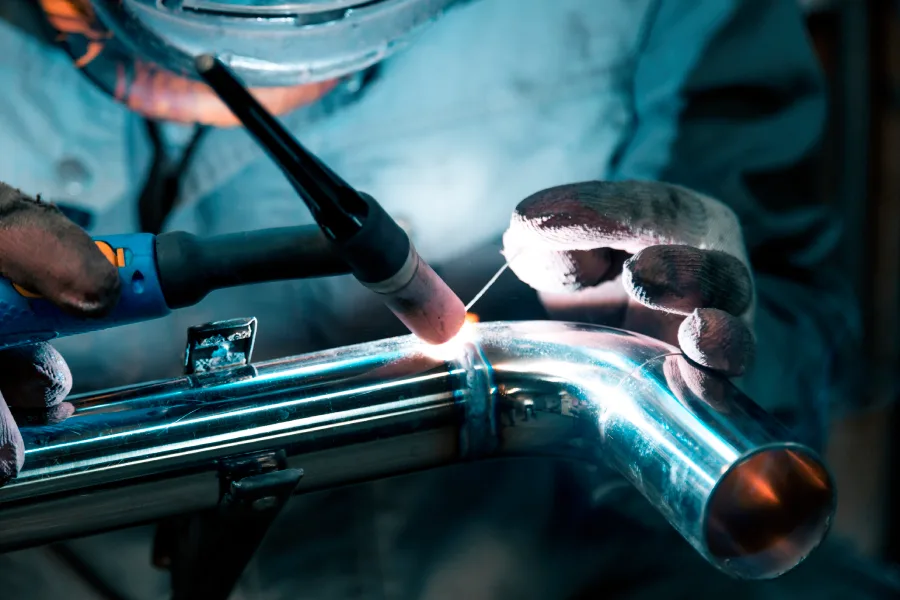
While tools and machines may vary, the basic steps in tube bending follow a clear path.
- Review drawings and confirm measurements.
- Select the correct bending method for the job.
- Secure the tube in the bending machine.
- Apply controlled force to form the bend.
- Check angles and dimensions for accuracy.
- Inspect for cracks, wrinkles, or distortion.
Common bending methods include rotary draw bending, roll bending, and compression bending. The method depends on how tight the bend must be and how the final product will be used. For example, tight-radius bends in machinery often require more precise equipment than wide curves used for structural frames.
Common Mistakes to Avoid
Even experienced teams can run into problems if details are missed. Tube bending must be done with care to protect the strength of the material.
- Using the wrong bend radius for the tube size
- Skipping lubrication when needed
- Applying too much force too quickly
- Failing to check springback after bending
Springback happens when metal slightly returns toward its original shape after bending. If not accounted for, the angle may be off. In industrial fabrication, small angle errors can cause alignment issues during installation.
How It Improves Industrial Fabrication
Industrial fabrication depends on strength, repeatability, and efficiency. Tube bending supports all three.
First, it improves strength by reducing the need for welded joints. A single bent tube often replaces several straight sections joined together. Fewer welds mean fewer weak points.
Second, it increases efficiency. Custom bent tubes can be produced in batches with consistent results. This helps assembly lines move faster and keeps projects on schedule.
Third, it supports design flexibility. Engineers can create compact systems that fit inside tight equipment housings. This is common in manufacturing plants, energy facilities, and heavy equipment production.
When to Call a Professional
Simple bends for light-duty use may be handled with basic tools. Industrial projects are different. They involve thicker materials, strict tolerances, and safety codes.
You should seek professional support when:
- The project requires tight-radius or complex bends
- The material is thick or high-strength metal
- Precise repeatability is required for production runs
- The tubing will carry high-pressure fluids or gases
Professional fabrication teams use advanced machines that control pressure and angle with high accuracy. They also inspect each piece to meet industry standards. This reduces risk and helps avoid costly rework later.
Building Stronger Systems With Expert Support
Industrial fabrication depends on accuracy and durability, and tube bending is a key part of that process. In Joshua Tree, CA, projects often demand custom solutions built to tight specs. At Biggs Metal Fabrication, we work with businesses across many industries to produce strong, precise bent tubing for real-world applications. If your team needs dependable fabrication support, call us at (760) 361-9557 and let us help you move your project forward with confidence.