What Goes Wrong With Trailers and How to Fix It
Common trailer service problems usually come down to brakes, lights, tires, bearings, or wiring. Most issues start small and get worse over time. A loose wire can kill your brake lights. Low grease in a hub can ruin a bearing. The good news is many problems show warning signs early. If you spot them fast, repairs are simpler and safer.
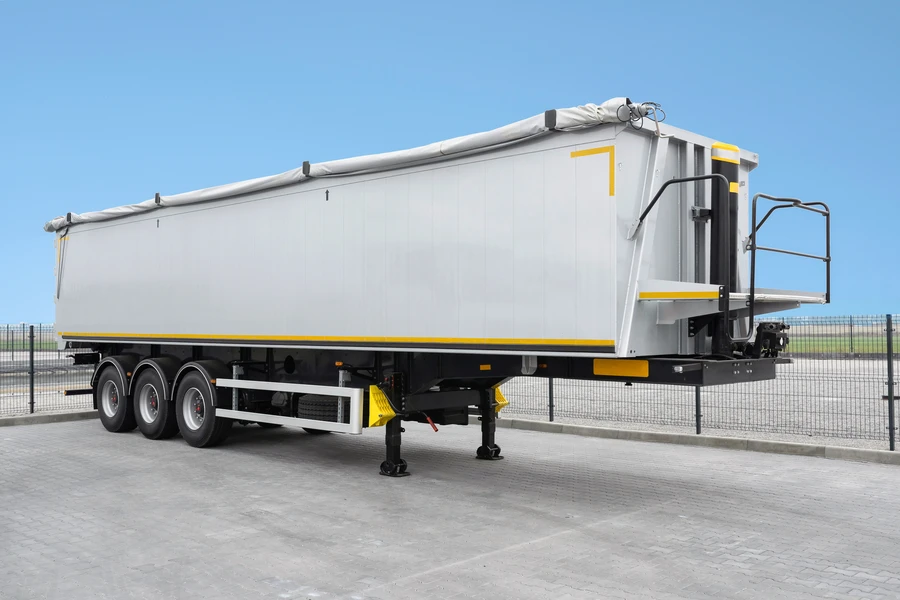
Quick Diagnosis Summary
If your trailer pulls hard to one side, the brakes may be uneven. If the lights flicker, there is likely a wiring fault. A humming or grinding sound from the wheels often points to bad bearings. Bouncing or swaying at highway speed can mean tire or suspension trouble. These signs help narrow down what your trailer service visit may need.
Common Symptoms
Watch for these warning signs before towing again:

- Brake pedal feels weak or delayed
- Tail lights or turn signals do not work
- Tires wearing out on one edge
- Grease leaking from the hub
- Loud squeaks or grinding when rolling
- Trailer sways even with proper load
Each of these symptoms ties back to a specific system. Catching them early can prevent road breakdowns.
Likely Causes
Brake problems often come from worn pads, rusty drums, or damaged brake magnets on electric systems. Water can also corrode parts over time.
Lighting issues usually trace back to cracked wiring insulation, loose ground connections, or corroded plugs. Even one bad ground wire can shut down the whole light system.
Bearing failure happens when grease dries out or water seeps into the hub. Once metal rubs on metal, heat builds fast. That heat can damage the spindle.
Tire wear may result from poor alignment, low air pressure, or overloading. Small trailers are very sensitive to load balance.
Routine trailer service checks help stop these issues before parts fail.
What to Check First
Start with a simple walk around inspection:
- Plug in the trailer and test all lights.
- Check tire pressure with a gauge.
- Look for uneven tire tread wear.
- Spin each wheel and listen for noise.
- Check for grease around the hub cap.
- Test the brake controller inside your tow vehicle.
These steps take less than fifteen minutes. They can reveal many common trailer service problems without special tools.
Safe Fixes Vs Pro-Level Fixes
Some trailer repairs are safe for handy owners. Replacing light bulbs, cleaning corroded plugs, or adjusting tire pressure are simple tasks. You can also secure loose wires with proper connectors.
Other repairs need training and tools. Bearing replacement requires cleaning, repacking with grease, and setting the correct torque. Brake repairs must be adjusted evenly on both sides. Mistakes can cause loss of control while towing.
If you are unsure about bearing preload, brake wiring, or axle alignment, schedule trailer service with a shop. A trained tech can inspect suspension components and spot hidden cracks or bent parts.
Prevention Tips
Regular maintenance keeps small issues from turning into big repairs. Follow a simple plan:
- Repack wheel bearings once a year or every 12,000 miles
- Inspect brakes before heavy hauling season
- Store your trailer on dry ground
- Use a weather cover for electrical plugs
- Balance loads evenly from side to side
- Check lug nut torque after long trips
Keep a basic checklist in your glove box. A quick review before each trip saves time later. Many major trailer service jobs start with skipped inspections.
Final Recommendation and How We Can Help
If your trailer shows warning signs in Joshua Tree, CA, it is safer to have it checked before your next trip. At Biggs Metal Fabrication, we handle brake repair, bearing service, wiring fixes, and full safety inspections. Our team takes time to inspect each component carefully and explain what we find in plain language. Call us at (760) 361-9557 to schedule a visit or ask questions about your trailer’s condition. We are here to keep your equipment safe and ready for the road.